No products in the cart.

Only this weekend
Super Discount
Items on sale this week
Top picks this week. Up to 50% off the best selling products.

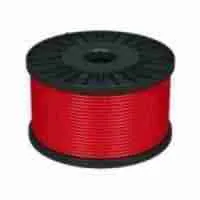
Price (Inc. Tax): KSh23,200
Fire Resistance Cable is an essential component in modern electrical installations, providing enhanced safety and reliability in the event of a fire. Designed to withstand high temperatures and prevent the spread of flames, this type of cable is critical in applications where fire safety is a priority. Whether in commercial buildings, residential homes, or industrial settings, using fire-resistant cables helps protect lives and property by ensuring that electrical systems continue to operate even in emergency situations.
1. High-Temperature Resistance
Fire resistance cables are constructed with materials that can endure extreme temperatures. This capability ensures that the cables remain functional during a fire, preventing electrical failures that could exacerbate the situation. Typically, these cables can withstand temperatures ranging from 90°C (194°F) to as high as 1050°C (1922°F), depending on the specific type and insulation materials used.
2. Flame Retardant Properties
These cables are designed to resist ignition and limit the spread of flames. The materials used in fire resistance cables are treated or engineered to prevent flames from traveling along the cable, significantly reducing the risk of fire spreading through electrical conduits. This feature is particularly important in settings where multiple cables are bundled together, as it helps contain potential fire hazards.
3. Enhanced Insulation
Fire resistance cables are typically equipped with specialized insulation that not only resists heat but also offers protection against chemical exposure, moisture, and abrasion. This robust insulation ensures the longevity and reliability of the cables in various environmental conditions, making them suitable for a wide range of applications.
4. Low Smoke Emission
In the event of a fire, many conventional cables emit toxic fumes and smoke, posing additional risks to occupants. Fire resistance cables are designed to produce minimal smoke and harmful gases when exposed to flames. This low smoke emission contributes to a safer environment, allowing for better visibility and easier evacuation.
5. Versatile Applications
Fire resistance cables are suitable for a variety of applications, including:
6. Compliance with Standards
Fire resistance cables often meet or exceed international safety standards, such as the IEC 60332 and UL 910. Compliance with these standards ensures that the cables have been rigorously tested for their fire resistance capabilities, giving users confidence in their safety performance.
When installing fire resistance cables, it’s essential to follow local building codes and regulations. Here are some key considerations:
While fire resistance cables are designed for durability, users may encounter some issues. Here are common problems and their solutions:
Fire resistance cables are a critical component in safeguarding electrical systems against fire hazards. With their high-temperature resistance, flame retardant properties, and low smoke emission, these cables are essential for enhancing fire safety in various environments. Whether for commercial, industrial, or residential applications, choosing the right fire resistance cable is an important step in ensuring the safety of occupants and the integrity of the electrical system.
Investing in quality fire resistance cables not only helps meet safety regulations but also provides peace of mind, knowing that you are taking proactive steps to protect lives and property.Visit Radox for Fire Resistance Cable Options: www.radox.co.ke


Reviews
There are no reviews yet.